
Microsoft Power Apps Code Apps: the new paradigm of AI-assisted development
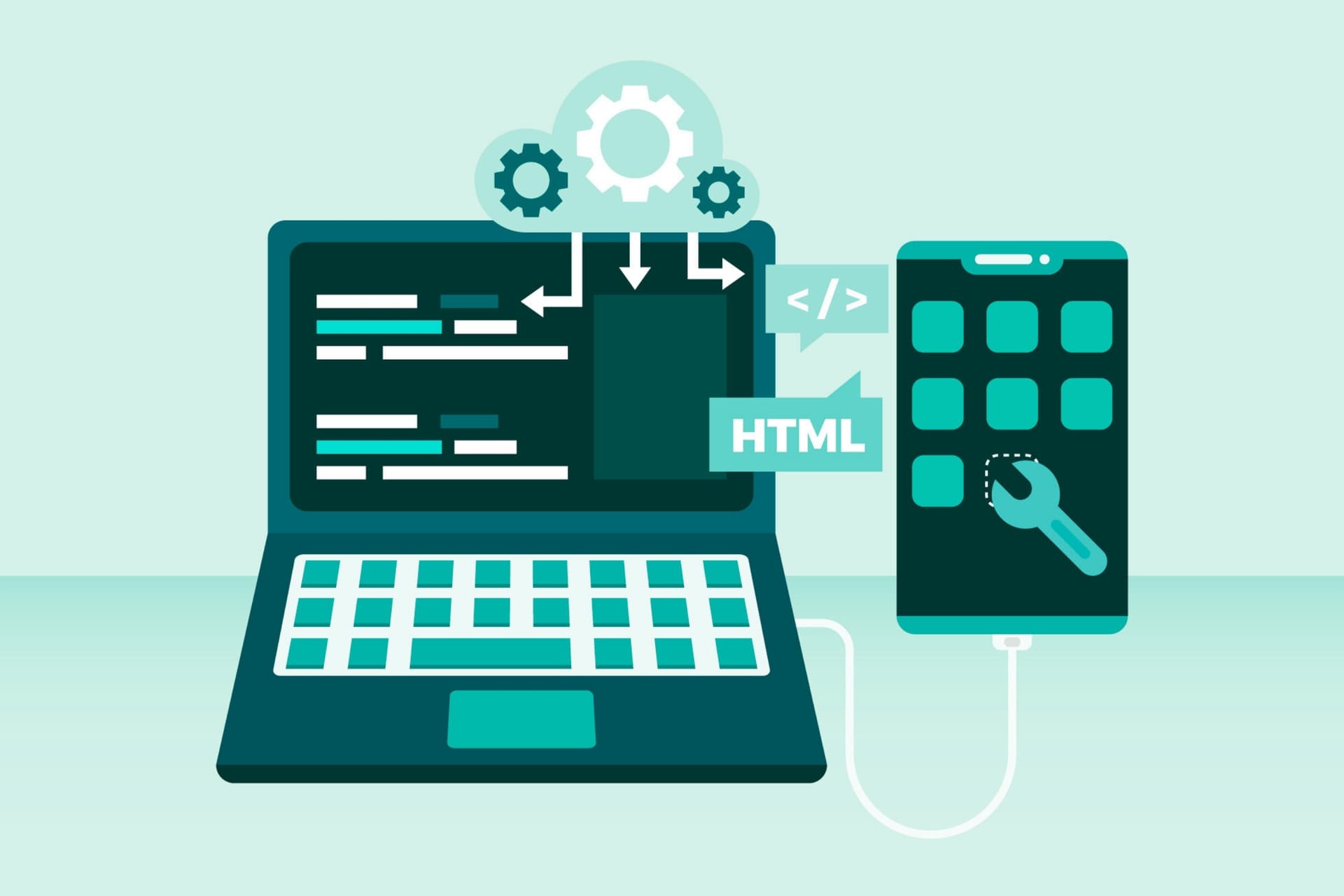
The Microsoft Power Apps platform has evolved deeply in recent years. It has gone from being an exclusively low-code tool aimed at business users, to becoming a hybrid ecosystem capable of accommodating both visual development and first-class professional code.
At the heart of this evolution are Code Apps. A new category of applications that puts the full power of code in the hands of developers. Combined with the capabilities of generative AI, it is redefining how enterprise solutions are built.
What are Code Apps?
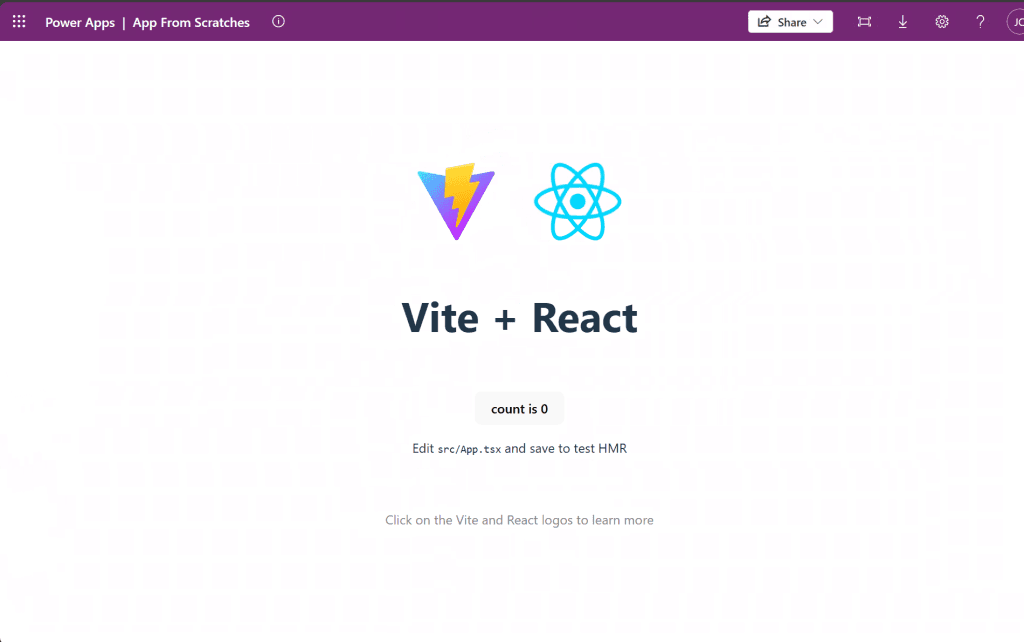
Code Apps represent a paradigm shift within the Power Platform ecosystem. Unlike traditional canvas applications (which rely on Power Fx and a visual design environment), Code Apps allow professional developers to build complete interfaces using React, TypeScript and various connectors such as Dataverse, SharePoint Online and SQL databases.
The development environment is also not the classic maker studio in the browser. Code Apps are built with Visual Studio Code, the Power Platform CLI and generative AI tools such as GitHub Copilot or Claude Code. This gives development teams full control over the behavior, style and extensibility of their applications.
Once the application is built in React and TypeScript, the Vite build tool compiles the code into standard HTML, JavaScript and CSS. The CLI then deploys it directly to the Power Platform environment, where the application becomes available like any other solution on the platform.
The rise of enterprise “vibe coding”
One of the most relevant aspects of Code Apps is their natural connection with the concept of vibe coding. A model in which the developer describes in natural language what they want to build and the AI generates the corresponding code, which the human supervises, refines and deploys.
Microsoft introduced Generative Pages at Microsoft Build 2025 and expanded them to all users in North America shortly after. With this approach, a team of AI agents takes care of:
- Defining requirements and user stories
- Proposing an optimized data model
- Generating the complete application code (front-end and back-end)
The result is an open-source application that the developer can review, customize and iterate. The phrase that best summarizes this new paradigm comes directly from Microsoft: “Build apps your way—drag and drop, generative AI, or custom code.”
Advantages of having a code-based front-end
1. Unlimited customization freedom
Traditional low-code tools rely on abstraction layers that facilitate production but limit creativity. With a React code front-end, the developer can create any imaginable interface component — drag-and-drop, file upload, interactive charts, dark mode, text-to-speech and much more. Features that previously required days or weeks can now be requested with a simple prompt.
2. Full transparency and control
Code Apps offer complete visibility into the React code behind the application. This means no behavior is a black box. The developer can audit, debug and optimize every part of the interface.
3. Integration with AI development tools
Since the code is standard (React/TypeScript), it can work with any AI tool available on the market: GitHub Copilot, Cursor, Claude, ChatGPT, etc. AI is not a closed proprietary layer, but an assistant that understands the code and collaborates with it naturally. This enormously accelerates the productivity of technical teams.
4. Connection with enterprise and third-party services
Code Apps do not live in isolation — they connect with more than 1,400 Power Platform data connectors, with Azure OpenAI, and with external APIs such as Stripe, Salesforce or SAP, all under an already established corporate security and governance model. Custom code does not mean giving up enterprise infrastructure.
5. Scalability without managing infrastructure
One of the key advantages is that deployment is managed by Power Platform. The development team focuses on the code and business logic, without having to worry about cloud infrastructure, application lifecycle, security or governance. All of that is included.
6. Collaboration between technical and business profiles
The platform allows business users to start defining requirements and mockups in natural language, and professional developers to take over and implement advanced logic in code. This fluid collaboration in a single workspace reduces friction and accelerates time to production.
The role of AI as a code accelerator
The deepest change introduced by combining Code Apps with AI is not simply “writing code faster.” It is a shift in the developer’s role — from code producer to supervisor and architect of generated code.
AI can take care of:
- Generating React components from a functional description
- Refactoring and optimizing existing code
- Adding new features with natural language instructions (“add a search bar”, “switch to dark mode”, “make it mobile-friendly”)
- Helping define the data model
- Rolling back versions with a single click
Featured use cases
- Interactive dashboards with dynamic filters and external data sources, going beyond what embedded Power BI offers.
- Multi-step forms with conditional logic, advanced validation and custom UX for onboarding, compliance or HR processes.
- Intelligent assistants embedded in the interface, connected to Azure OpenAI.
- Multilingual applications with document processing and complex business logic.
Conclusions
Code Apps mark a turning point in the evolution of Power Platform. For the first time, professional development teams can leverage the full potential of an open-source code front-end, with all the flexibility that entails — without giving up the security, governance and connectivity that a mature enterprise platform provides.
With AI as the copilot of the development process, the speed of application building is no longer a limitation. The challenge is no longer “how do we code it”, but “what business problem do we want to solve.” This is where the true competitive advantage of Code Apps in the AI era lies.
At Itequia we already work with this approach. If you want to explore what a Code App can do for your organization, tell us your case.